The success of a drone light show is easy to see in the crowd — and surprisingly difficult to explain in a report.
This article explains what a drone show can deliver beyond spectacle, how to assess its impact on attendance, audience emotion and brand awareness, and which online metrics can prove and extend that offline effect.
What Counts as a Successful Drone Show?
Why Drone Shows Work as Marketing Campaigns
What Value Drone Shows Create — and How to Measure It
Can You Calculate Drone Show ROI?
How to Make a Drone Show Easier to Report
From Offline Impact to Measurable Results
What Counts as a Successful Drone Show?
The largest one? The viral one? The one that turned spectators into lifetime fans? Or the one that turned them into paying customers? Or perhaps the one that caused zero headaches for the event organizer?
Consider a few less obvious examples:
- A New Year show can gather millions of views and still fail if nobody can identify the city it was meant to promote.
- A technically ambitious show can damage an innovation message if its formations look messy.
- A private show for fifty qualified buyers can deliver more commercial value than a public show seen by fifty thousand people.
→ The success of a drone light show is measured against its objective.
That objective should be clear before anyone discusses drone fleet size, show duration or show complexity. A tourism board may want destination visibility. A festival may want attendance uplift and future ticket demand. A production agency may simply need a reliable headline moment that makes the entire event easier to sell.
Each goal requires different event KPIs, performance indicators and drone show metrics.
Why Drone Shows Work as Marketing Campaigns
A drone show works because it brings several layers of value into one live moment.
- It is a public spectacle.
- It is outdoor media.
- It is emotional brand or destination storytelling.
- It is content people naturally want to film.
- It can give people a brand-new experience with interactive drone show technology.
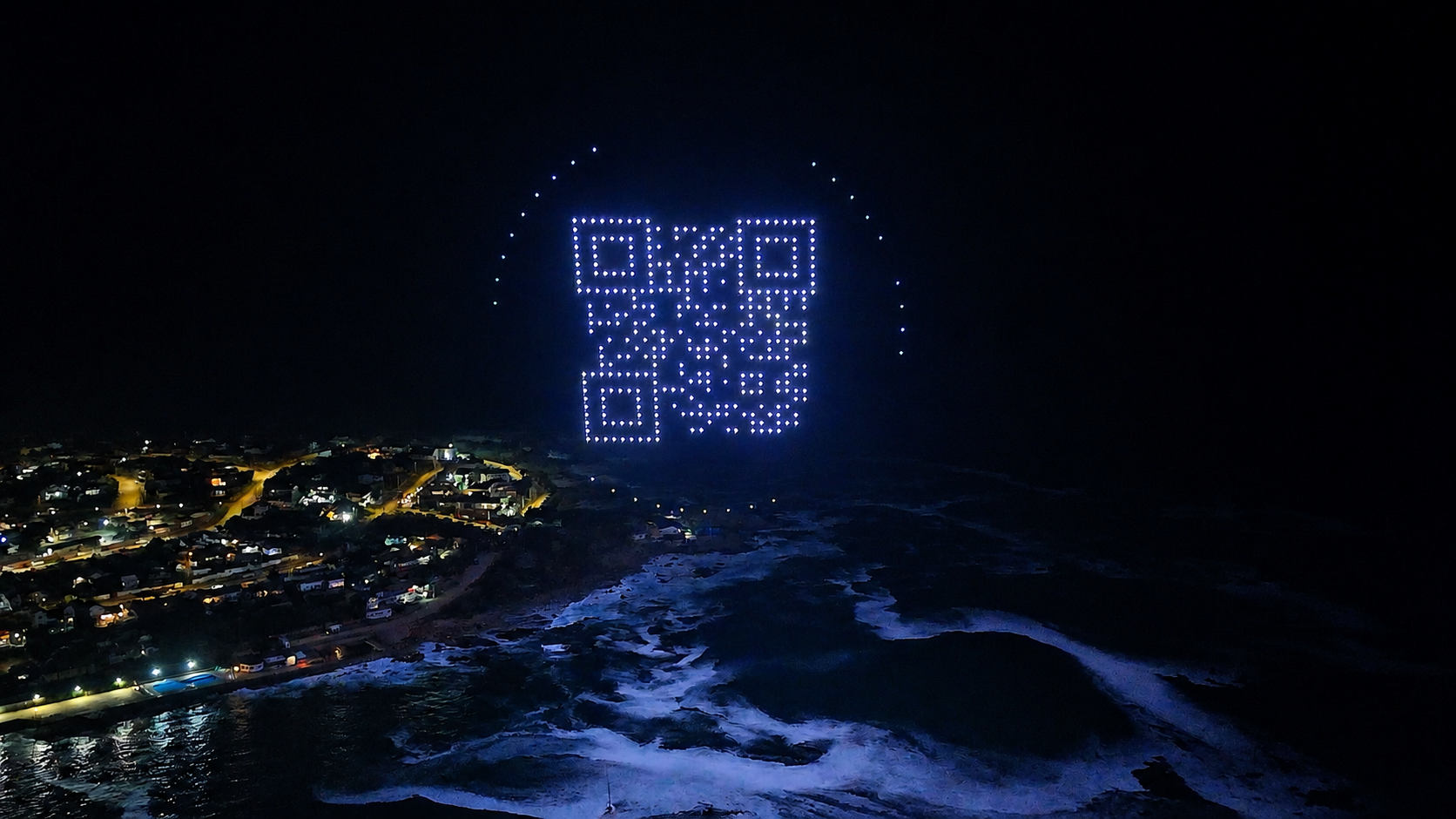
- It can support direct-response mechanics with online result tracking (sky QRs, app downloads, etc.).
This is the same principle behind major event sponsorships. Brands invest in the Super Bowl, the Olympic Games, music festivals and cultural events because brands want to be present where attention and emotion already exist. Despite obvious logo placement, they are buying a place in a moment people care about.
A drone show makes that role visible. It can turn a sponsor, product, city or cultural message into the part of the event everyone stops to watch.
What Value Drone Shows Create — and How to Measure It
A drone show is always more than something beautiful above the event. When it is integrated into an event and built around a relevant story, it can draw an audience, increase brand visibility, generate emotions and content.
The following breakdown is for brand teams, event leads, PR teams, city officials and agency producers — in other words, anyone who needs to justify a six-figure budget and explain what the show actually delivered.
Start with the value the show was hired to create. Most results fall into five practical areas.
1. Higher Attendance and Stronger Event Proposition
With so many city events and entertainment options competing for attention, audiences need a compelling reason to show up. A headline drone show offers a one-time, large-scale experience they cannot recreate at home or simply watch later.
It can increase ticket demand, foot traffic and dwell time. It can bring visitors in for the finale, encourage hotel or resort guests to stay for dinner and make the entire event more attractive to sponsors and media.
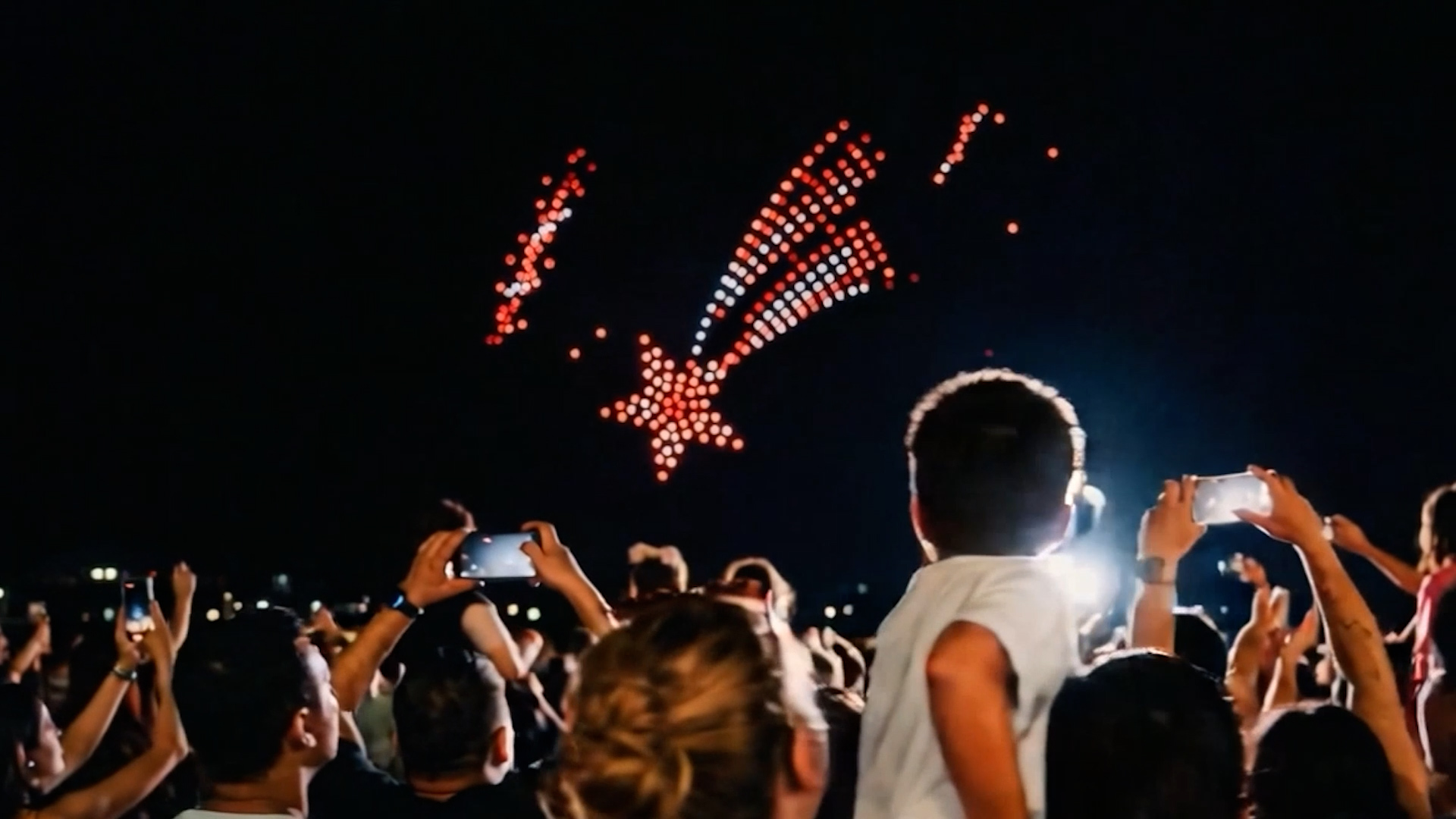
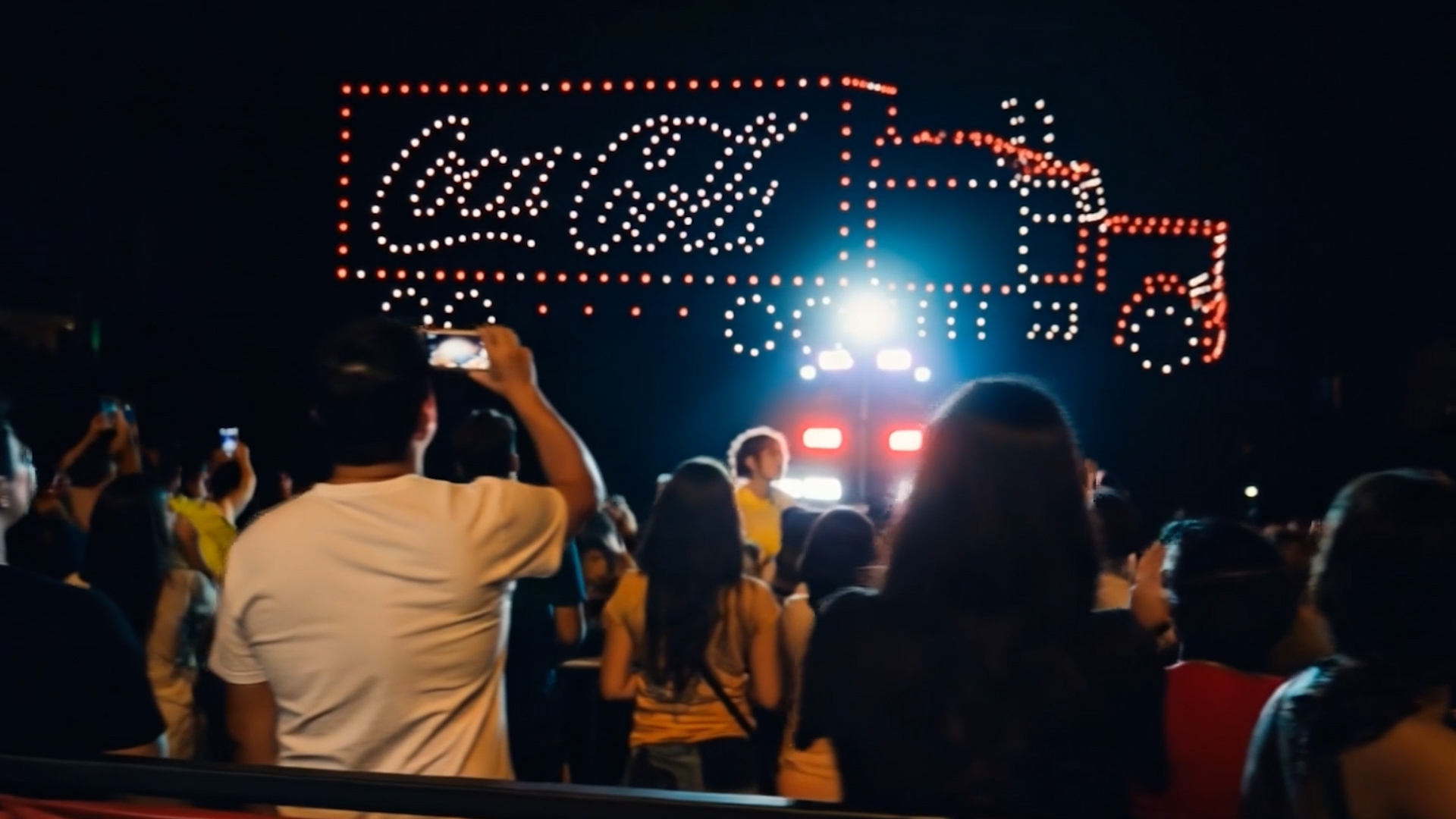
The show may be announced in the lineup adding to the overall appeal of the festival — like our drone show at Lollapalooza Argentina 2025. Or it can act as a literal crowd magnet — during our McDonald’s drone show in Panama an arrow in the sky navigated people to a newly opened restaurant.
The show does not have to sell a ticket by itself to create commercial value. For a festival, it can strengthen next year’s demand. For a venue, it can increase time spent on site. Overall, it can make the whole event concept easier to sell.
How to measure it
Compare the event with previous editions, similar dates or normal venue traffic. Look at what happened after the show was announced and around the time it took place:
- Did ticket sales or registrations increase?
- Did more people attend?
- Did visitors arrive earlier or stay longer?
- Did foot traffic or on-site spending rise?
- Did the show attract additional sponsor or media interest?
For public events, live reach can be estimated through ticketing, venue capacity, crowd counting, footfall data, organizer records or city analytics.
Metrics to track: estimated live audience, ticketed attendance, registrations, foot traffic, attendance uplift, ticket demand and dwell time.
2. A Shared Emotional Experience
There is a difference between seeing an ad banner and experiencing a moment with thousands of other people.
During a drone show, an entire crowd looks up and reacts together to a landmark, product or familiar symbol in the sky. That shared emotion supports memory: people may forget an entrance banner, but remember the brand behind the moment everyone stopped to watch.
The intended emotion depends on the occasion: pride at a public celebration, energy and belonging at a festival, ambition at a product launch or exclusivity at a private event.
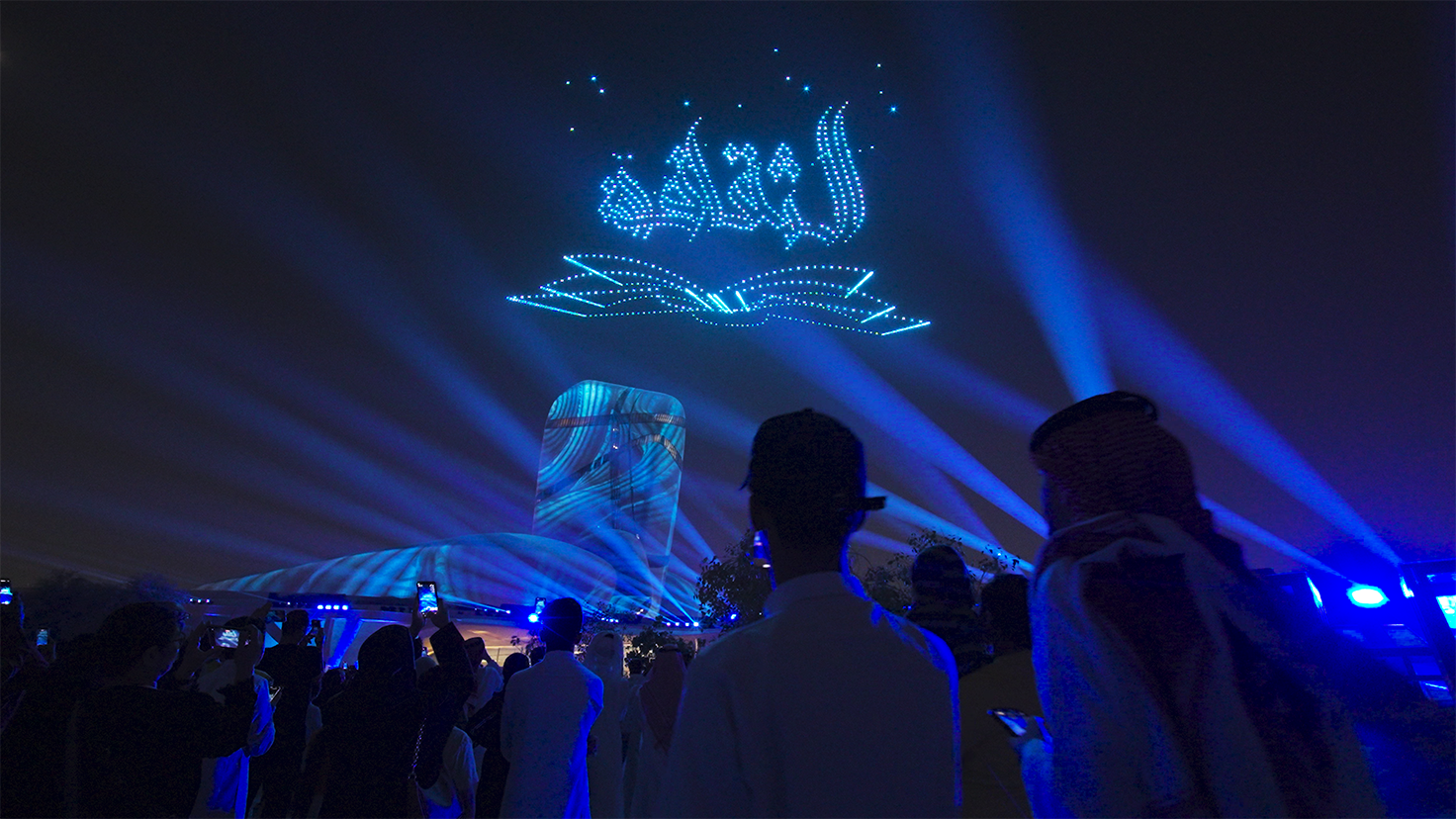
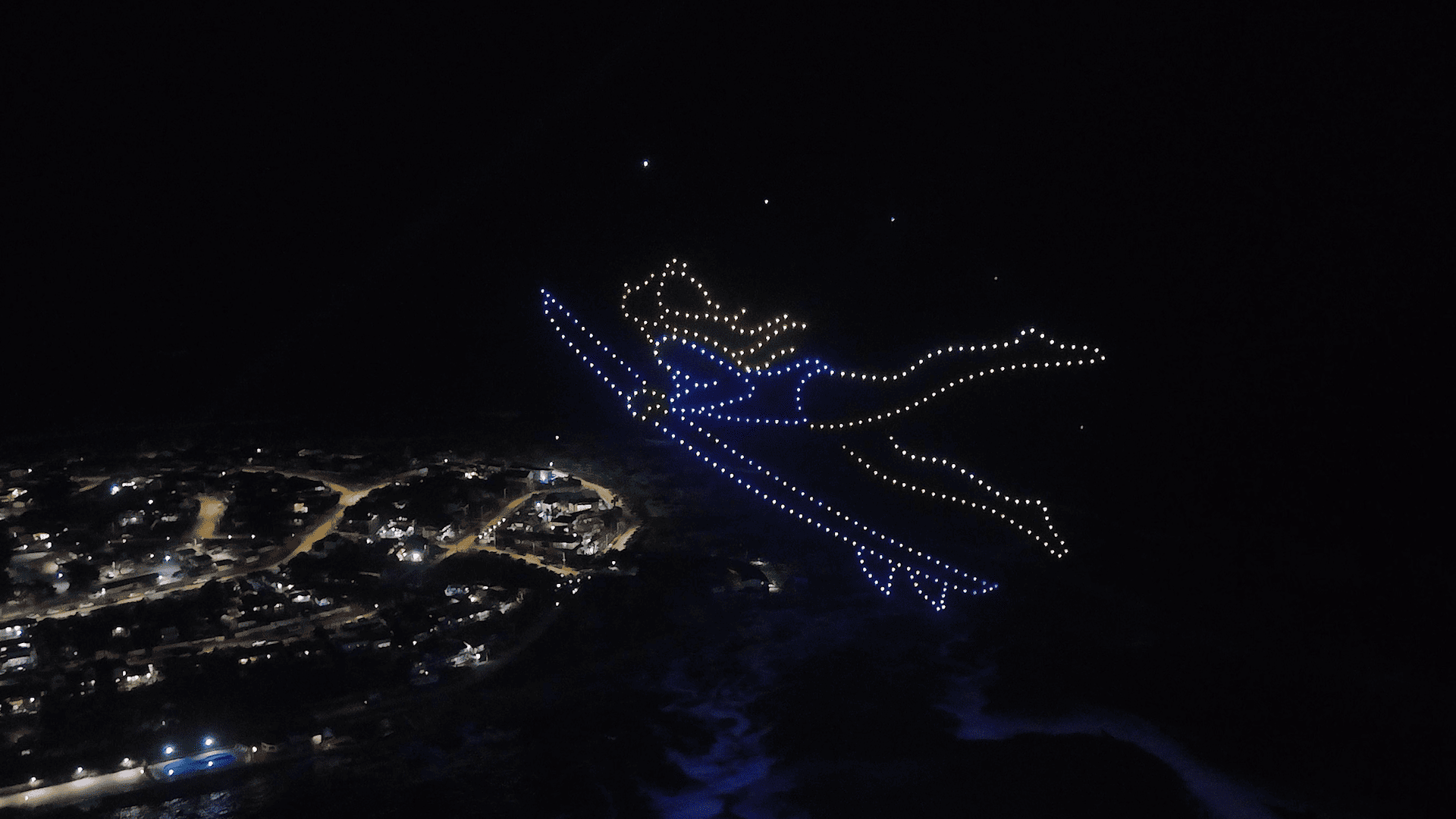
Local relevance makes a major difference. At a New Year celebration, a generic sequence could appear above any city. Add the local skyline, traditions and familiar symbols, and the audience feels: this was made for us. Our New Year drone show in Chile used that connection to resonate with local spectators.
A strong emotional response can also change how people perceive the event itself. It can also influence whether they return next year, recommend the event or talk positively about the organization behind it.
How to measure it
You do not need a huge research project. Short post-show surveys can reveal what the audience felt, remembered and whether they would return. Spontaneous reactions, comments and partner feedback add context. If people repeatedly call the show the event’s highlight, that is meaningful evidence.
Metrics to track: audience satisfaction, emotional response, positive and negative sentiment, memorable moments, intent to return, recommendations, crowd reaction and guest feedback.
3. Stronger Brand or Sponsor Impact
Event logos compete for attention across banners, screens, wristbands and stages — and are easily ignored. A drone show gives the sponsor a stronger role by making it part of the experience.
The show can introduce a finale, reveal a product, or tell a branded story. This can strengthen sponsor recognition, message recall, positive associations and perceptions of innovation, scale or prestige.
For organizers and production agencies, it also creates a premium sponsorship asset: a branded experience, launch moment, content opportunity and PR story.
How to measure it
Ask attendees who they associate with the show and what brand or message they remember. Track the same connections in comments, social posts and media coverage.
“The drone show was incredible” proves the production worked. “Brand X’s drone show was incredible” proves the sponsorship worked.
Metrics to track: sponsor visibility, brand recall, product recall, message recognition, destination mentions, brand associations, share of voice, press reach and media value.
4. Public and Cultural Impact
For cities, tourism boards, ministries and cultural institutions, the objective is often wider than immediate commercial return.
A locally relevant drone show can:
- bring people together in a public space;
- present local history and symbols in a contemporary format;
- strengthen civic or national pride;
- give residents and visitors a new reason to talk about the place;
- provide the media with a striking visual of the city or country.
How to measure
Measure both attendance and response: audience feedback and media coverage can show whether the event created curiosity and a stronger sense of place.
Metrics to track: public attendance, resident and visitor feedback, positive sentiment, civic or national pride, destination mentions, tourism interest, media reach and use of local imagery in audience content.
5. A Content, Social Media and PR Engine
A live drone show may last around 10 minutes, but its content can keep working for weeks. One performance can produce professional films, vertical videos, photographs, audience reactions, interviews, behind-the-scenes material and UGC content.
This is where offline impact becomes online amplification. Drones give people something unusual to film, but they are not automatically shareable. People post moments that surprise them, move them or represent something personal.
Creative relevance matters more than the number of formations. A local symbol or strong reveal can travel further than 10 generic images. For example, a playful piece of local cheese in our New Year drone show in Brazil became an emotional reference people wanted to share and helped the footage reach millions.
Views show exposure. Engagement shows that people cared. Shares are especially valuable because a voluntary distribution of a show becomes an organic media channel.
How to measure it
Track official content and audience-created content. Look beyond total views to understand whether people watched, reacted, shared and connected the show with the correct brand or location.
A million views can look impressive in a report. But 100,000 views clearly connected with the right brand, city and message may be more valuable.
Metrics to track: video views, campaign impressions, social reach, reposts, shares, saves, story mentions, brand and location tags, UGC volume, engagement rate, comments, sentiment, press mentions and earned media reach.
For more ideas on turning brand messages into shareable moments, dive into our article on How Drone Shows Increase Brand Awareness.
6. Traffic, Leads and Conversion
Not every drone show needs to generate an immediate sale. And most of them don’t. For many campaigns, the main return is awareness, memory, public engagement or sponsor value.
When a direct response is required, however, the show can move people from watching to acting. It may invite the audience to scan a QR code, visit a campaign page, follow an account, download an app, register, unlock an offer or make a booking or purchase.
The action should feel like the next chapter of the experience — not an advertisement at the end. A QR code in the sky is easy to ignore if it leads to a generic homepage. Exclusive show content, a limited release or early festival tickets give people a real reason to scan.
How to measure it
Use dedicated links, QR codes, campaign pages or promo codes to follow the full journey from live attention to action. Measure not only how many people scanned, but also how many stayed, registered, enquired or bought.
Thousands of scans can still create little value if the page is slow, the offer is weak or the next step is unclear.
Metrics to track: QR scans, campaign-page visits, clicks, app downloads, new followers, registrations, enquiries, purchases, bookings, leads, conversion rate, cost per lead and cost per acquisition.
7. Technical Performance and Cost Efficiency
Technical delivery is not a separate marketing benefit, but it affects every benefit above. And also directly affects ROI.
If formations are unclear, the audience may not understand the story.
If the logo is difficult to read, brand recall suffers.
If the QR code cannot be scanned, traffic drops.
If the viewing zone is poorly planned, half the audience misses the story.
Production choices should support the goal. Drone fleet size, show duration, show complexity, animation, permits, logistics and operational costs all affect cost efficiency and value for money. More drones are useful when they improve scale, clarity or storytelling—not simply because a larger number looks impressive in a proposal.
How to measure it
Review the show from the audience’s actual viewing areas, not only from the production position. Test key formations, text, logos and QR codes under realistic conditions, and compare delivery with the agreed creative and operational plan.
Metrics to track: formation clarity and readability, synchronization with music, visibility from key audience zones, launch reliability, timing, photo and video quality, safety performance and weather readiness.
Can You Calculate Drone Show ROI?
Calculating the full drone show ROI is rarely straightforward because the strongest impact often begins offline and develops over time.
Some results are immediate: ticket sales, QR scans, bookings or purchases. Others appear later in brand recall, sponsor renewals, future attendance, destination awareness or the reputation of the event itself. A show people still associate with a brand years later has created value, even if that value does not fit neatly into a post-event spreadsheet.
That is why return on investment for drone shows should not be forced into one universal formula. A useful event ROI calculation starts with three estimates:
- Offline value: expected audience, attendance uplift, dwell time, emotional response and sponsor visibility.
- Amplification: the likelihood that media, guests and creators will distribute the story beyond the live event.
- Action: the expected path from live attention to scans, visits, enquiries or conversions when the campaign includes a direct next step.
Compare that expected value with the full production cost. You don’t need to predict every number perfectly. The goal is to agree in advance on what success should look like.
How to Make a Drone Show Easier to Report
A useful reporting plan begins in the creative brief, not after the show.
Before production, align the client, agency and show team on:
- the main campaign goal and target audience;
- the relevant event KPIs and baseline data;
- the audience response the creative should produce;
- any landing page, QR or offer;
- social media and PR tracking;
- the post-event reporting format.
After the event, organize the report in three levels:
1. Live impact: Who attended? How did the crowd respond? What did people remember?
Report attendance, dwell time, emotional response, sponsor visibility and other event performance metrics.
2. Amplification: How far did the moment travel?
Report viewership, audience content, press coverage, social media reach and brand exposure.
3. Business action: What happened next?
Report visits, registrations, downloads, enquiries, bookings, purchases and other measurable results.
From Offline Impact to Measurable Results
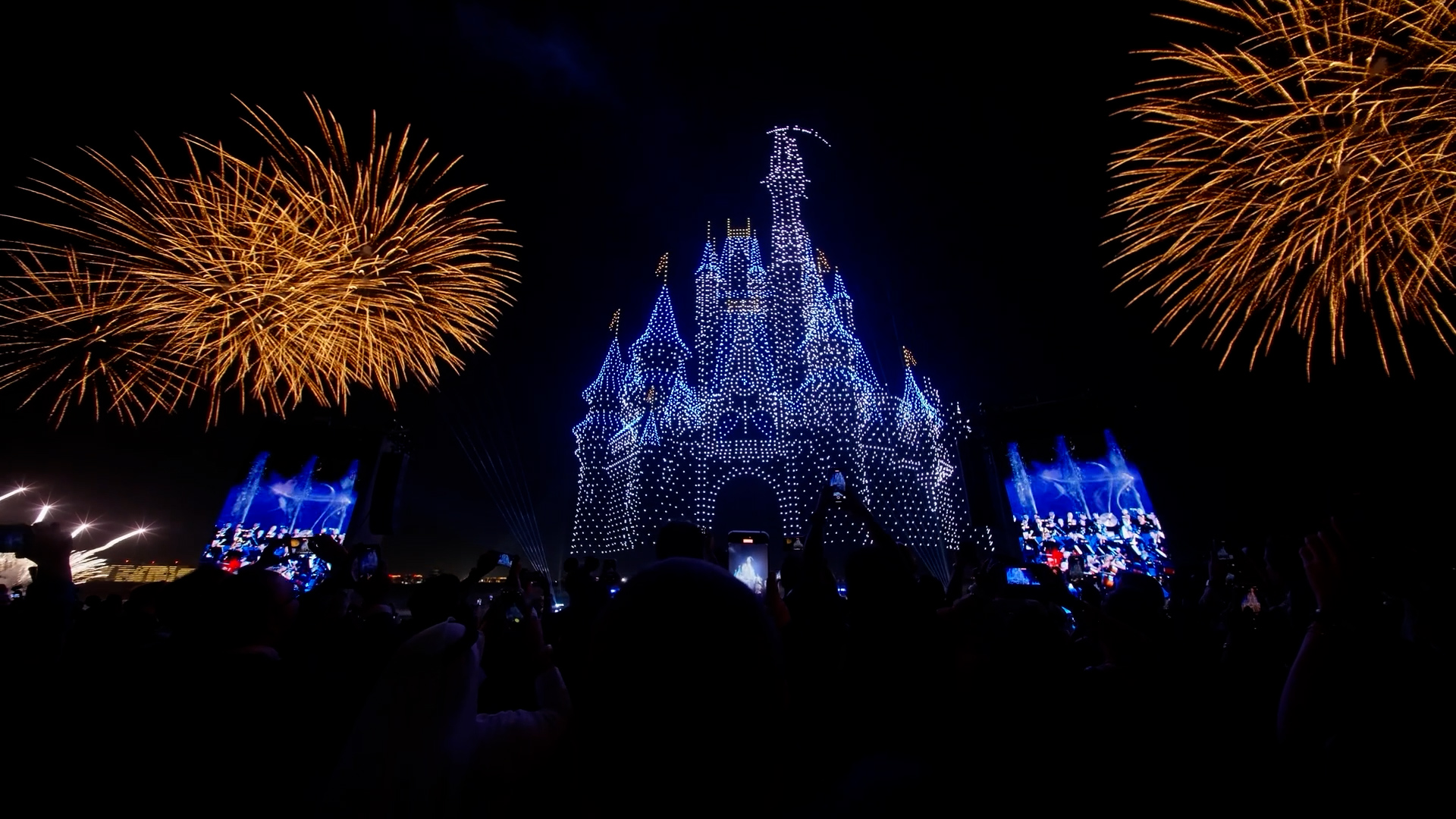
Big brands naturally get big numbers. Our Disney drone show in Abu Dhabi reached over 14 million views and made global headlines, including Forbes. But you do not need to be Disney to get real value from a drone show.
A city, festival, destination or growing brand can achieve strong results too. The main thing is to know what you want the show to do:
Want awareness? Design the show for shareability.
Want stronger public engagement? Make the story emotionally relevant.
Want sponsor value? Connect the show to a moment people already care about.
Want traffic? Make the call to action visible and easy.
Want PR? Create a visual moment media will want to publish.
Don’t treat a drone show simply as the decoration of an event. Make it part of the campaign strategy — with a goal, a story, tracking and a clear next step for the audience.
That is how the “wow” becomes a return your team can prove — not just with numbers, but with lasting brand value.