Three days or so — this long it takes to design a drone show, according to many people’s opinion.
In fact, it’s far from the truth. Designing a drone show is not simply drawing pictures in the sky. It is a careful blend of creativity, engineering, and physics that lies behind the spectacle.
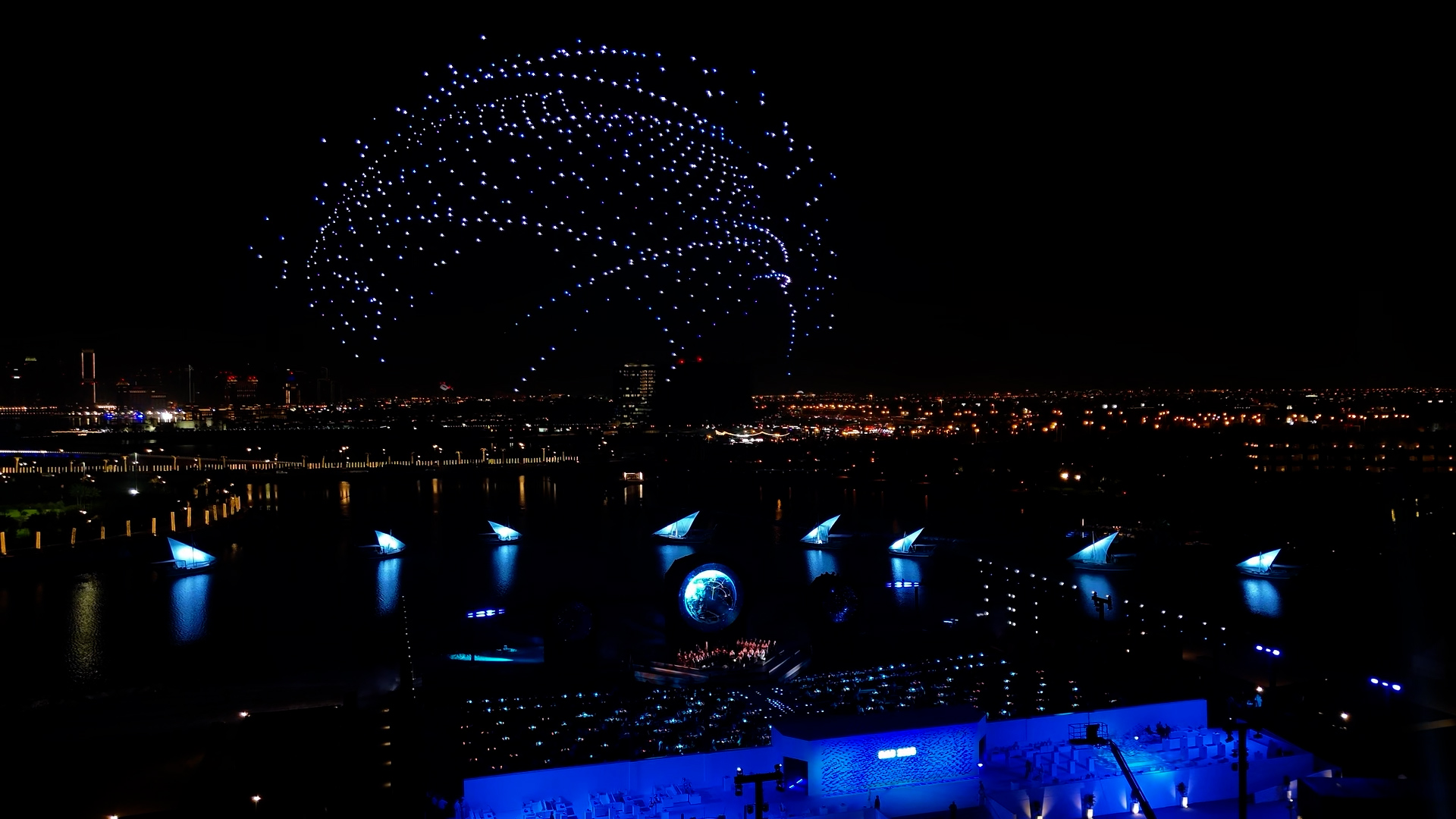
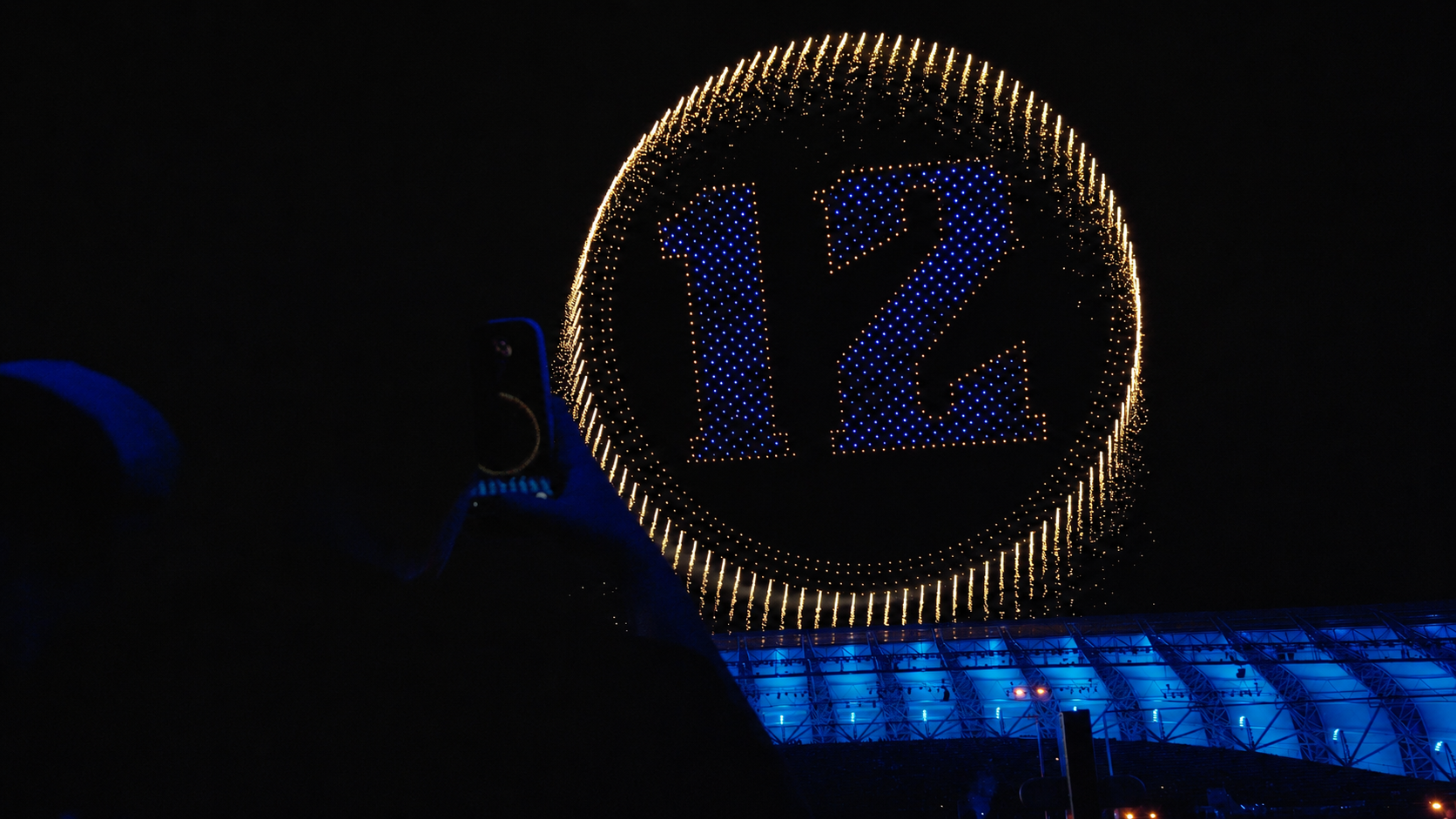
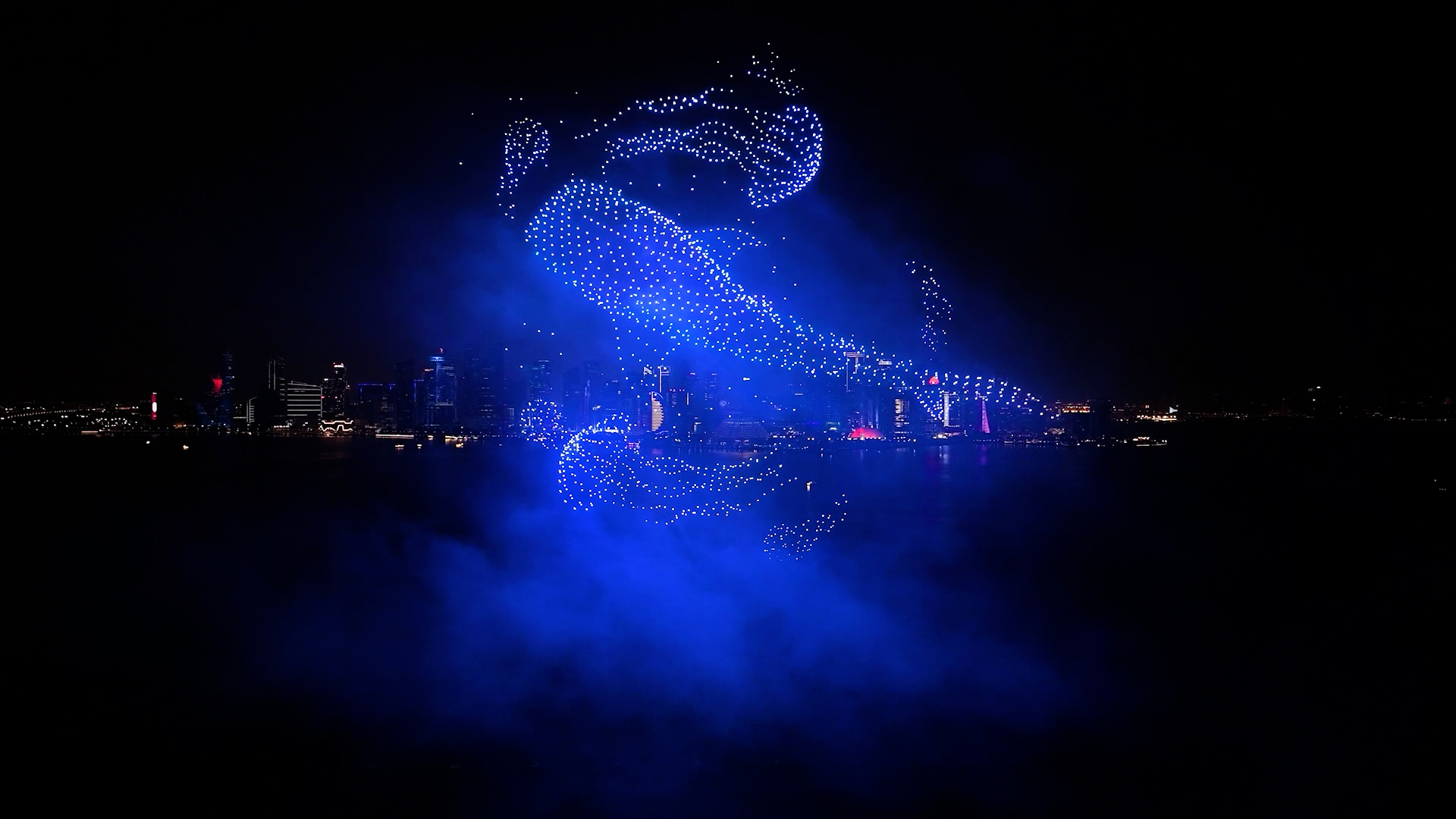
It starts with the vision. If clients come with zero or few ideas, the show designer (or director) creates the concept from scratch. If clients provide a storyboard, the designer converts it into drone formations. The key task is to make them nice-looking and realistic. A lion should not look like a cat, the president’s portrait should have the right skin tone, the brand mascot should render the exact emotion in the sky. Fine tuning these details is time-consuming.
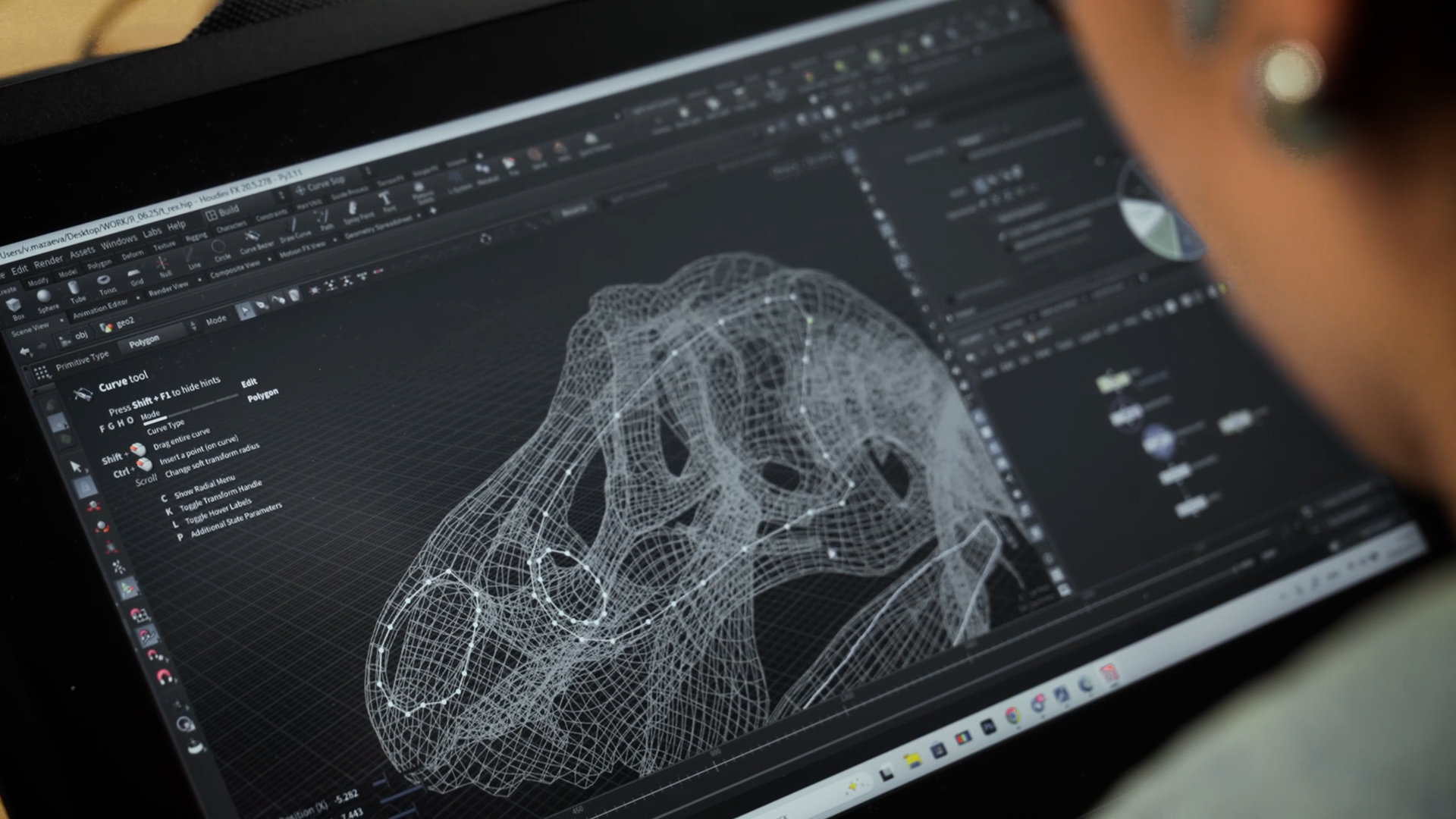
Another crucial part is animating the drones. A drone show designer must create moving 2D or 3D images while respecting real-world limits. For example:
- Drones have maximum speeds. Drone show designers cannot make the show as dynamic as they wish. Transitions between aerial images must be adjusted so the drones fly it safely without distorting formations (or bumping into each other).
- Wind is always a limiting factor. Designs must be stable enough to hold their shape even in gusts, which can mean simplifying some visuals.
- Collisions are not allowed. Every move from one formation to the next requires calculating hundreds of individual flight paths. If shortly before the show the client asks to switch the order of pictures, it means recalculating all these paths (imagine 10,000 flight paths in a show!). It takes time, and nerves.
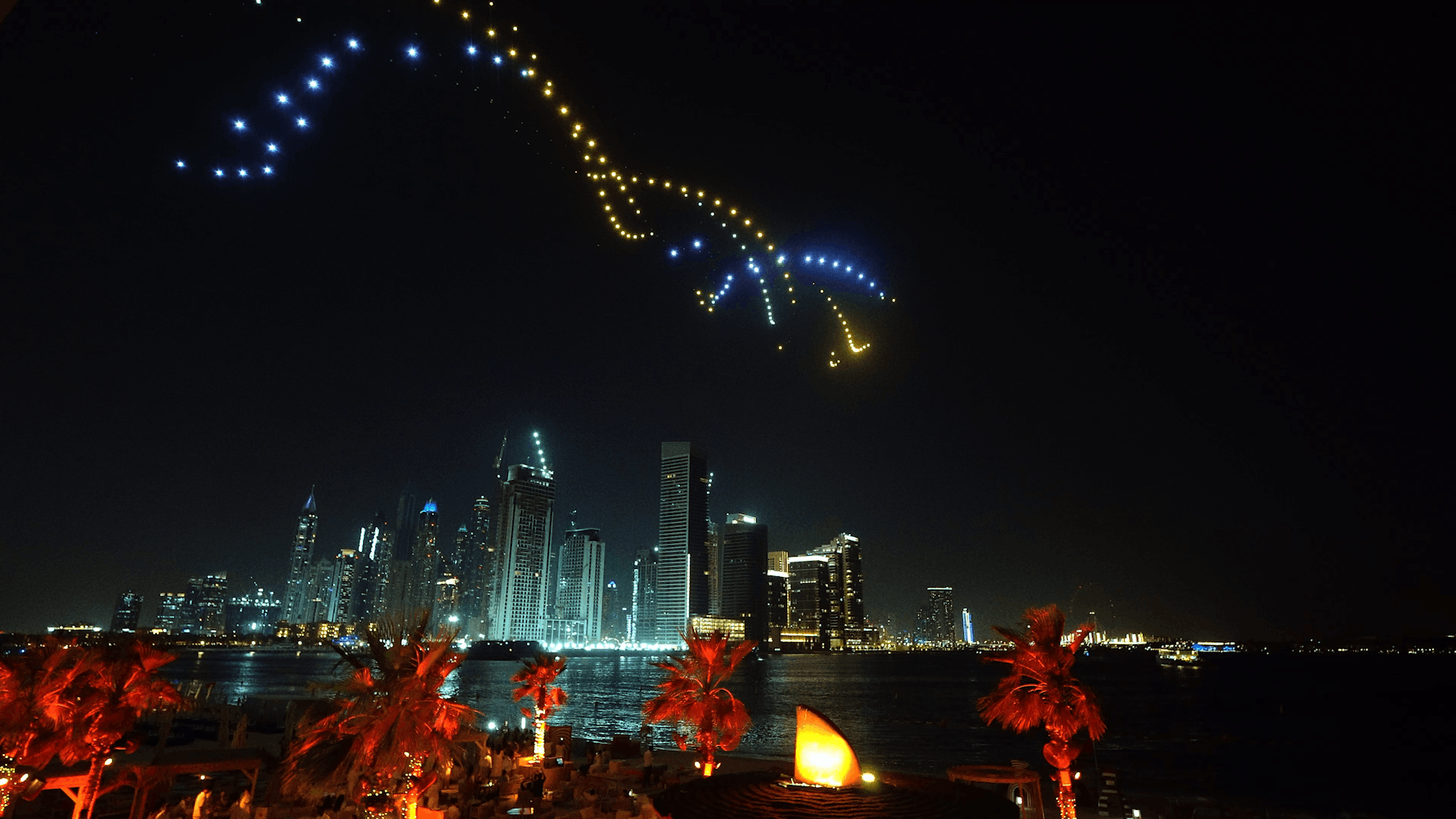
- Viewer angle is key. A shape that looks perfect from above may look distorted from the audience’s perspective on the ground. Designers take time to optimize the display for the specific viewer angle at the venue.
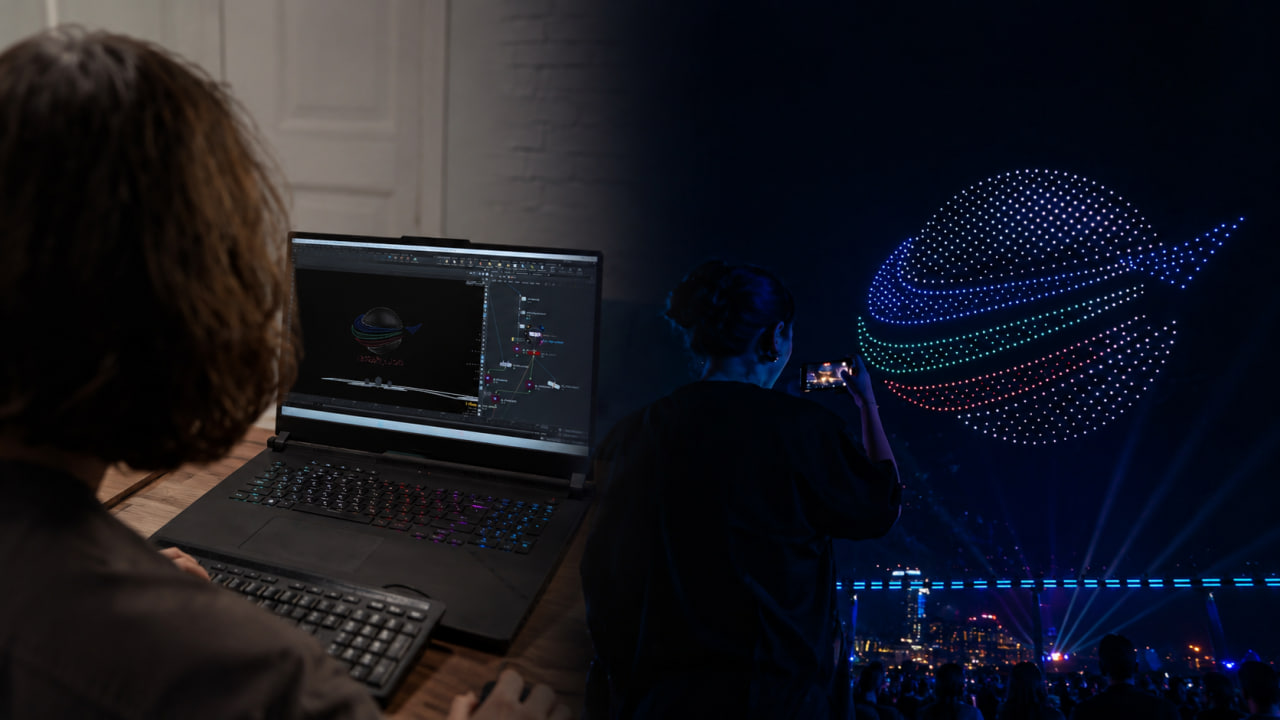
In the past, these limits meant drones often moved in darkness between pictures. Now, our advanced software helps overcome this. It automatically calculates efficient and beautiful flight paths while still considering the laws of nature. Thanks to this, in Lumasky we create the most eye-catching takeoffs (and landings) to start the spectacle before it reaches the sky.
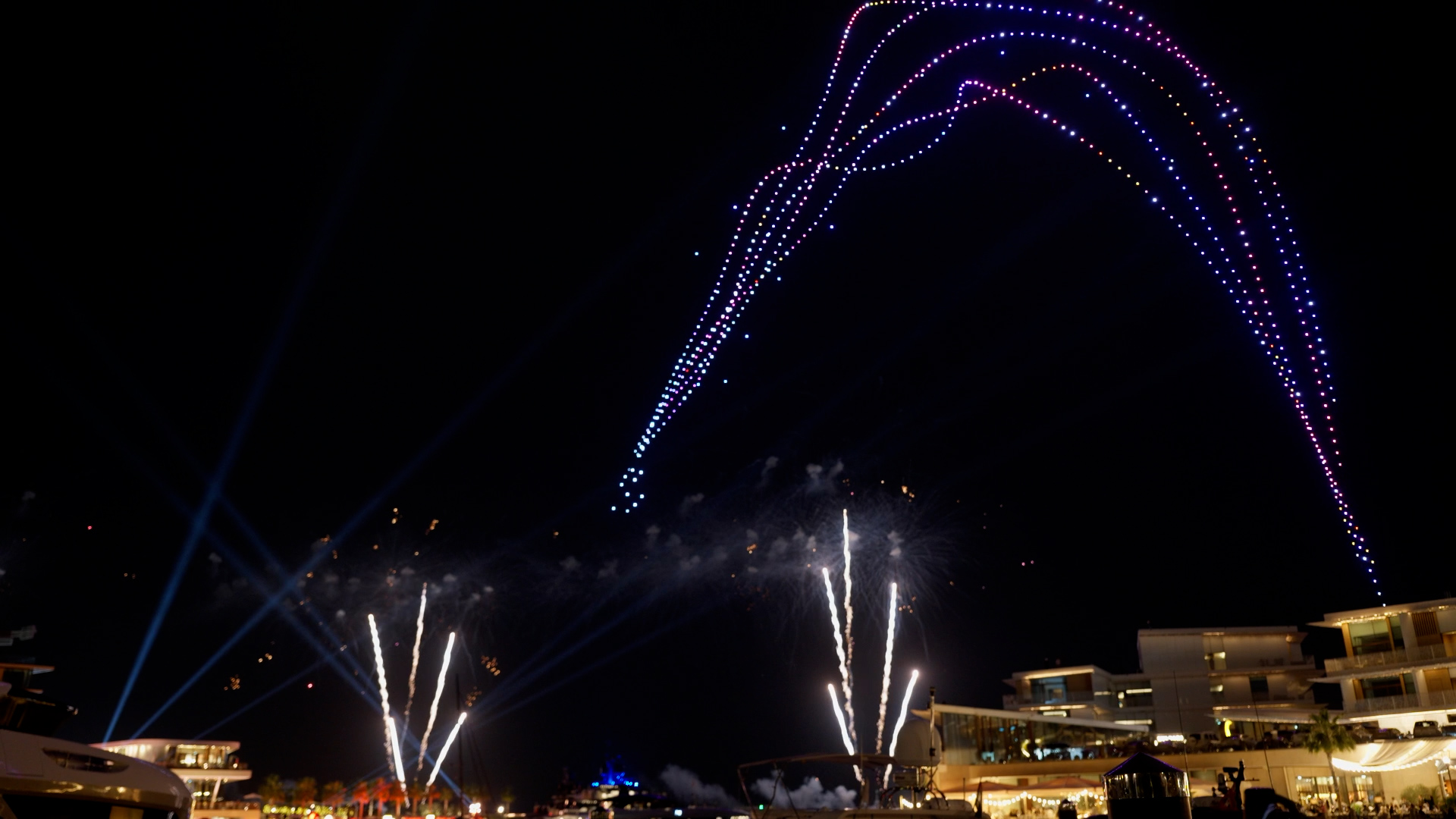
Add the client’s edits to the process, waiting for feedback, and finalizing those edits. 2 to 4 weeks is okay for a good show design.
So, creating a drone show animation is a detailed process of finding solutions. It takes a lot of time, skills and efforts to ensure the final show is not only beautiful but also safe, reliable, and perfectly timed to amaze the audience.